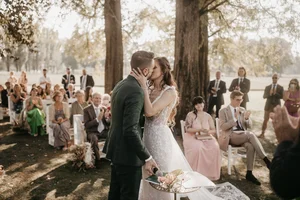
What "Made in Italy" really means for a wedding
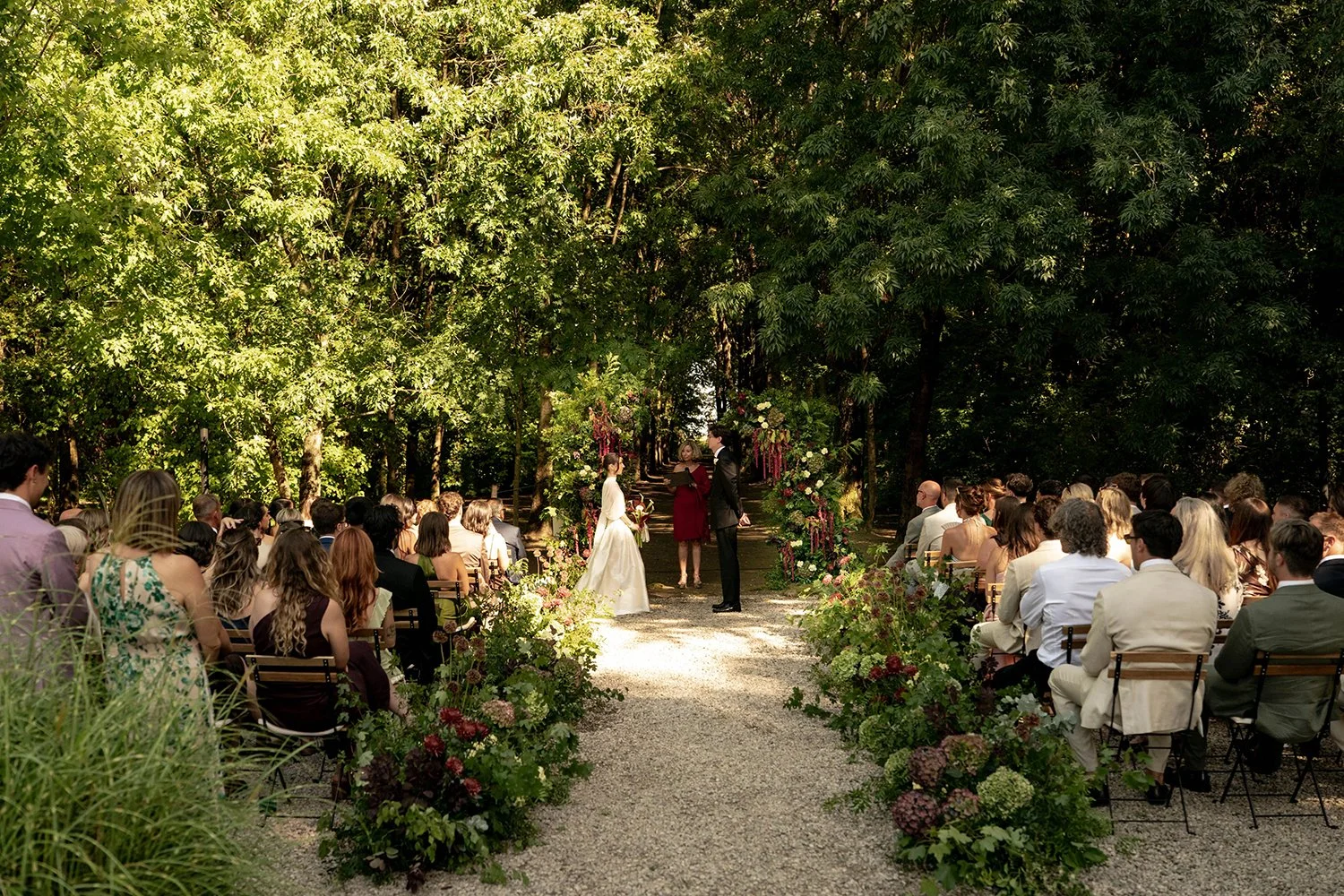
"Made in Italy" is a phrase used often, even when talking about weddings. But what does it truly mean when applied to a wedding day?
It is not simply a matter of geography. Getting married in Italy is not enough to have a Made in Italy wedding.
It is something more subtle, more difficult to build, and far more difficult to replicate anywhere else.
The craft behind every detail
In Italy, behind every element of a quality wedding there is often an artisan.
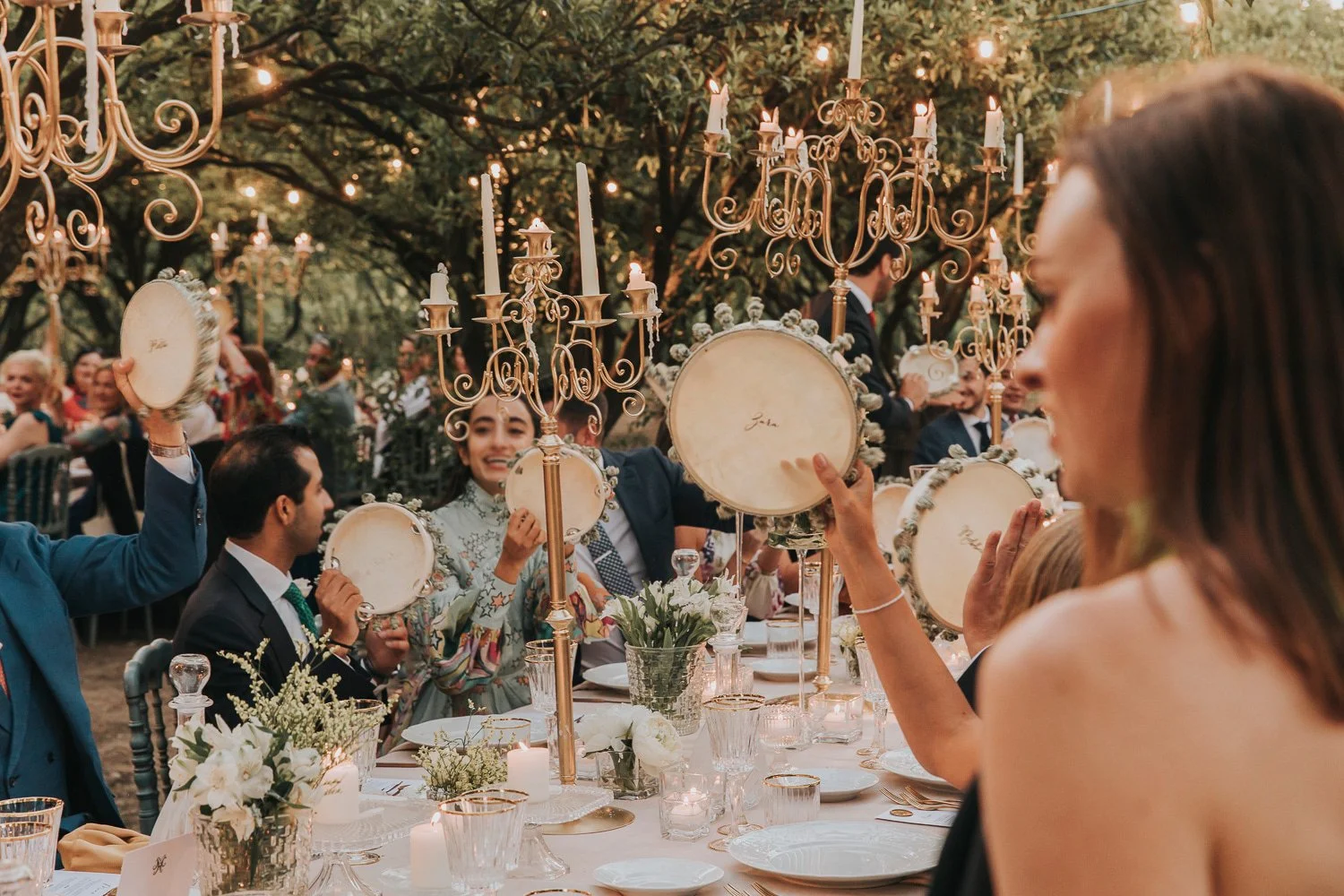
The florist who knows every seasonal variety and understands how to work with it so it lasts the whole day. The tailor who takes measurements and builds a dress from scratch, not simply adjusted from a standard pattern. The pastry shop that prepares the confetti using recipes handed down through generations. The calligrapher who writes every place card by hand.
This craft is not decoration. It is the substance. It is what gives every element of a wedding in Italy a material quality that can be felt, touched and remembered.
A relationship with the land
A Made in Italy wedding could not be done in the same way anywhere else. Not because it would be technically impossible, but because the territory is part of the project.
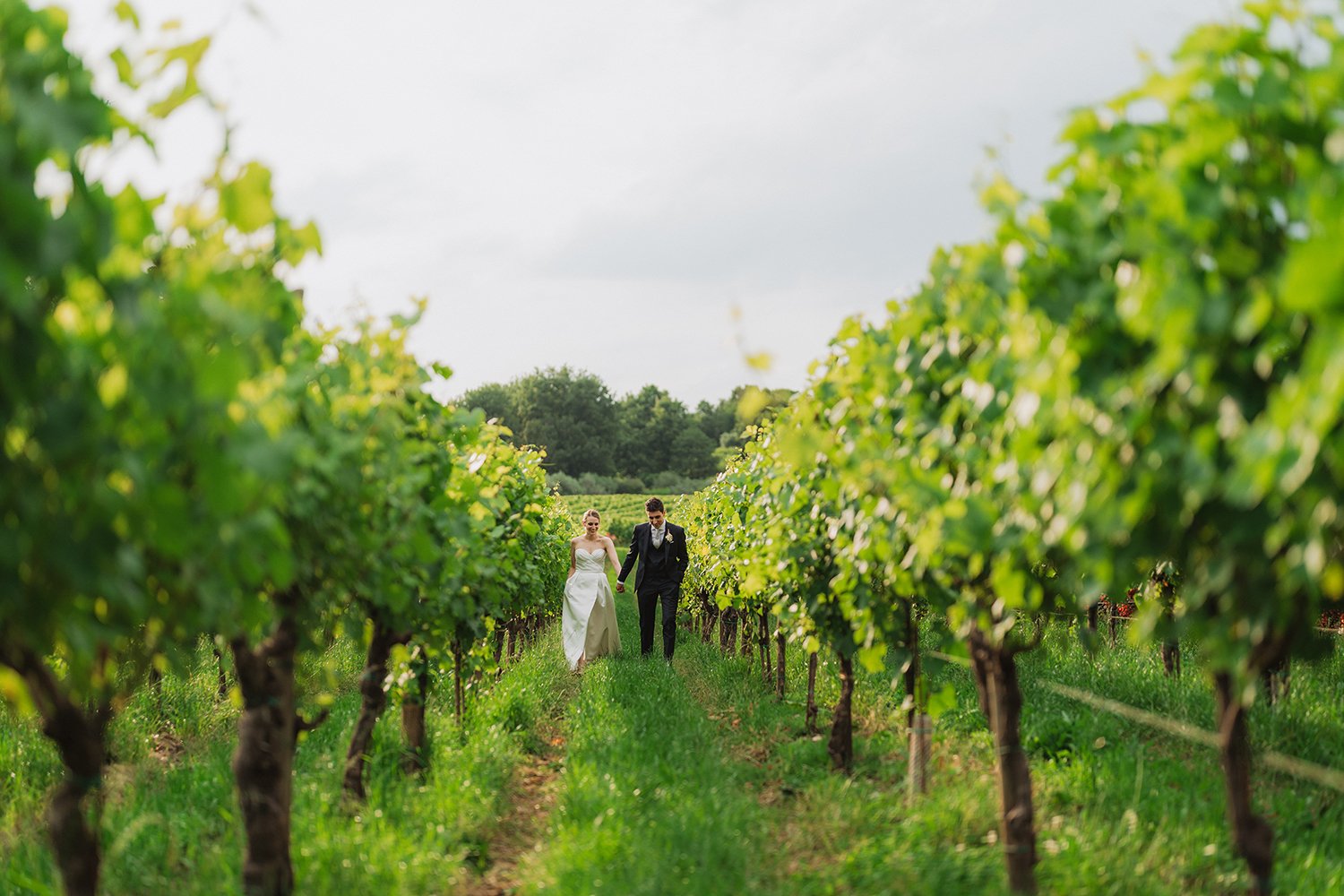
The flowers come from the fields of the area. The wine is from the estate or the vineyard nearby. The menu tells the story of the season and the region, not a generic catalogue of international dishes. The venue is not an interchangeable backdrop, but a place with its own history, in dialogue with everything that surrounds it.
This rootedness in the land is one of the things international couples look for most, often without being able to name it precisely. They feel it when they taste the menu. They see it when the flowers arrive fresh on the morning of the wedding. They live it when the music shifts and they understand they are somewhere that resembles nowhere else.
Hospitality as a culture
In Italy, hosting well is not a service. It is a form of respect.
There is something in the way Italian suppliers relate to wedding guests that is not easily found elsewhere. A natural warmth, a genuine attention to detail, a capacity to make people feel welcomed.
The waiter who brings the dish and briefly tells you what is in it, with pride. The florist who adds one more flower because that day it was particularly beautiful. The musician who reads the room and changes tempo without anyone asking. These gestures do not appear in a service brief. But they are the ones guests remember.
Time as an ingredient
A Made in Italy wedding has a rhythm.
It is not the rhythm of an event that must finish by ten. It is the rhythm of a day that takes its time, that leaves room for conversation, that does not rush between courses, that recognises the value of a wedding is not measured by how many things fit inside it, but by how much of it stays in memory.
This rhythm is one of the hardest things to explain to those who have not experienced it. And it is one of the things that surprises and wins over those who arrive from elsewhere.
Beauty as a starting point, not a destination
In Italy, beauty is not a goal to reach. It is the starting point.
The landscape is already extraordinary. The architecture is already there. The light, at certain hours and in certain places, is simply unrepeatable. The work of those planning a wedding in Italy is not to create beauty from nothing, but to recognise what is already there and build around it something that does it justice.
It is this difference in approach that makes a Made in Italy wedding something you cannot simply order. It is built, together, with time and care. And when it works, you recognise it immediately, even without being able to explain quite why.
A Made in Italy wedding is not a product. It is the result of an encounter between a story, a place and the right people to hold them together.
Are you thinking about your wedding in Italy and want to understand what it could mean for you?
Tell us your story.