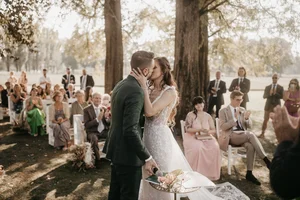
How to manage the weather at an outdoor wedding in Italy
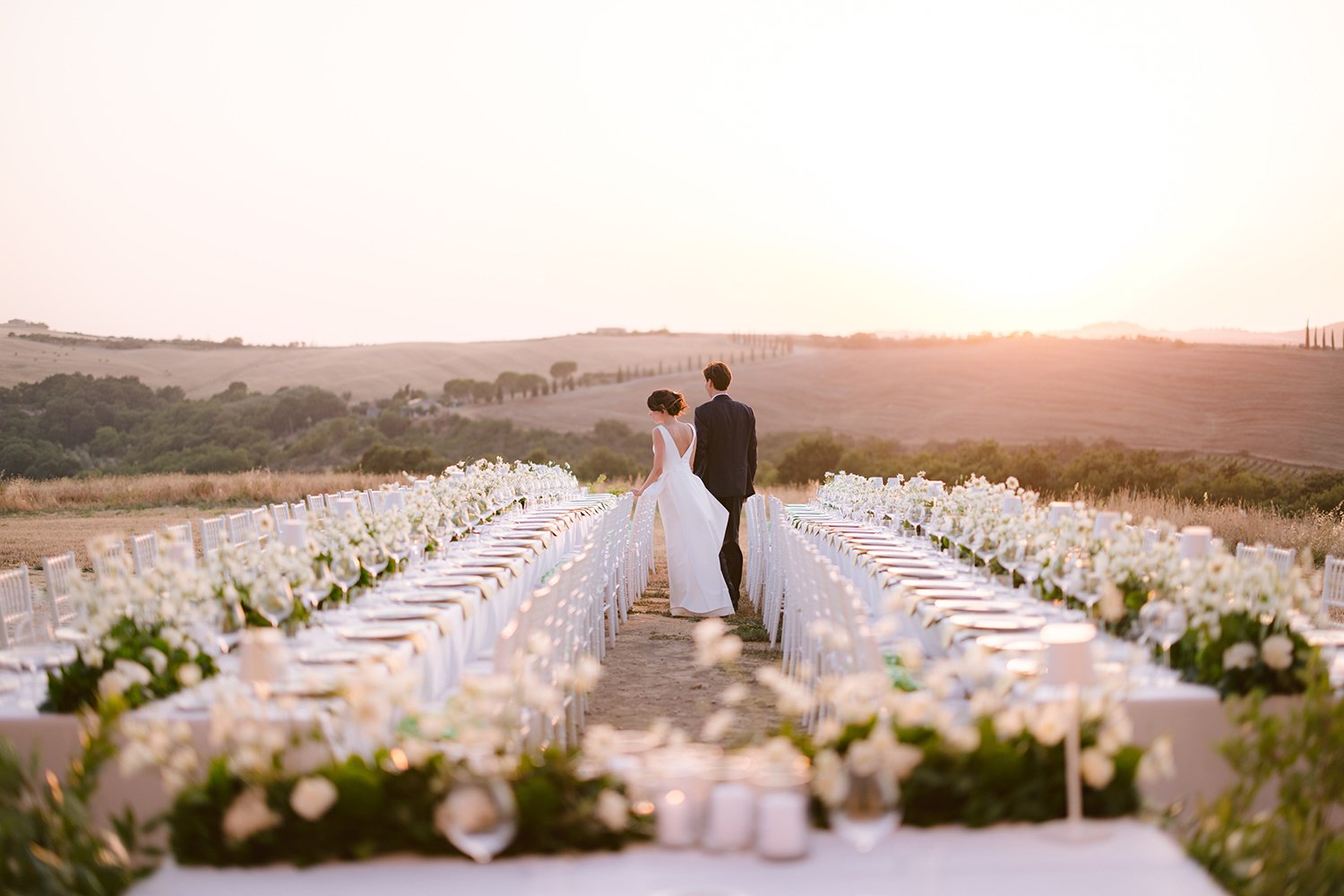
In Italy, the weather is part of the project.
Not in the sense that it is unpredictable or unreliable. On the contrary, Italian seasonality is among the most readable in Europe and, with careful planning, it is entirely possible to work with the climate rather than against it. But anyone who has ever organised an outdoor event knows: no forecast is an absolute certainty, and having a plan B is not pessimism. It is professionalism.
Choosing the right season
The first form of weather management is the choice of timing.
May and June, September and October are the most balanced seasons for an outdoor wedding in Italy: mild temperatures, long days, limited rainfall. July and August almost guarantee good weather, but they bring the intense heat of the central hours of the day, which needs to be factored into the construction of the timeline.
The choice of region matters as much as the choice of month. Northern Italy, especially around the lakes, is prone to afternoon summer thunderstorms that can arrive quickly and pass equally quickly. The south and the islands have a more stable climate but stronger winds in some coastal areas. Understanding the meteorological character of the territory you are working in is part of the job.
Plan B is not a lesser version
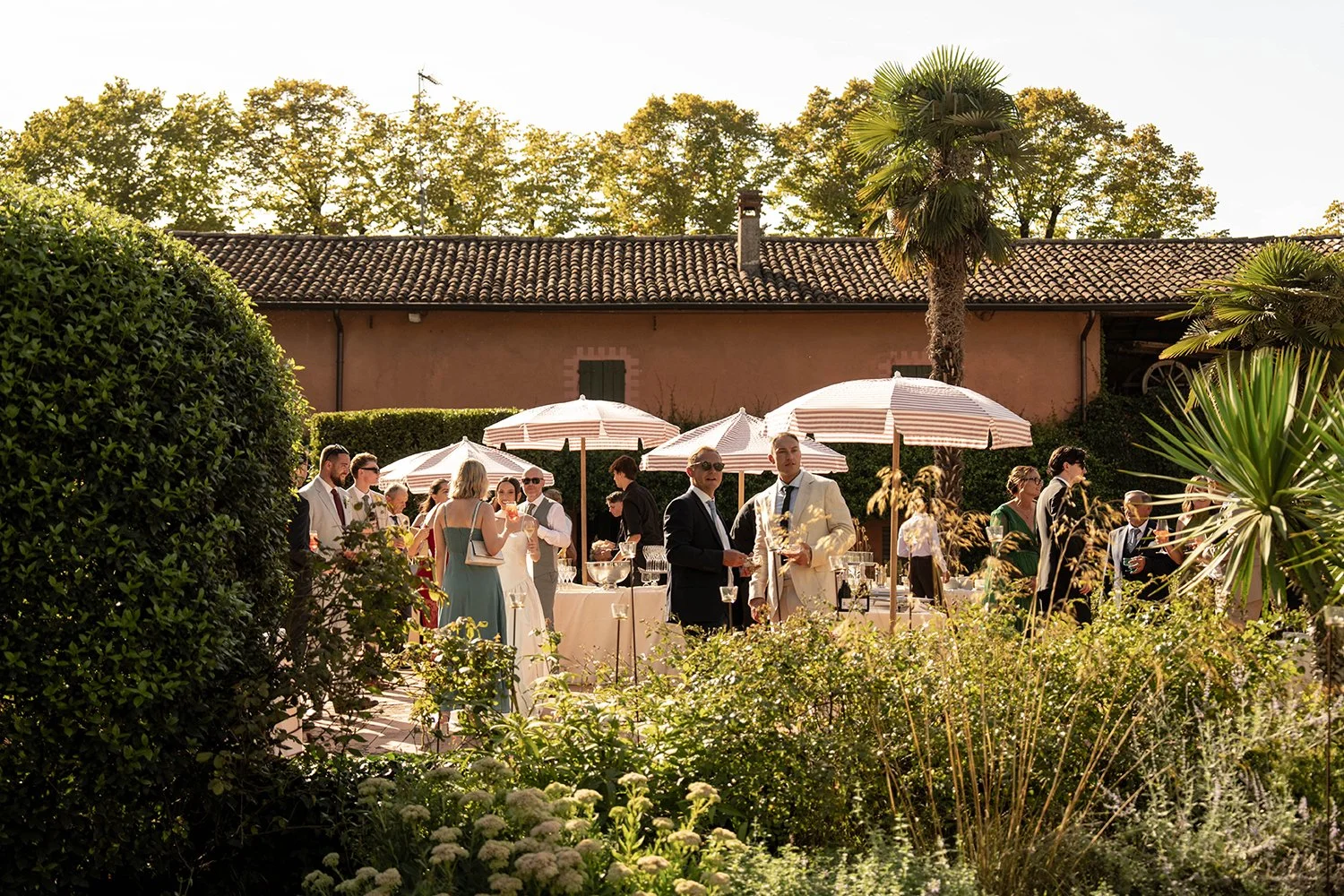
One of the things we always tell couples is this: plan B should not be a fallback. It should be a different option, thought through with the same care as the original.
If the ceremony is planned outdoors and the forecast changes in the week before, moving everything inside is not a failure. It is an operational decision, made with enough lead time to adapt the décor, inform suppliers and ensure the atmosphere of the day remains what was imagined.
Some of the most beautiful ceremonies we have seen were born from a plan B. A different light, an unexpected space, an intimacy the open garden would not have offered in the same way.
Temporary structures: tents, canopies, tensile structures
When a venue does not have enough interior space to accommodate the whole event, temporary structures are one of the most widely used solutions.
Classic marquees and modern tensile structures make it possible to cover outdoor spaces while preserving the feeling of being outside. The best solutions available today lose nothing compared to interior spaces: wooden flooring, integrated lighting systems, air conditioning, opening windows that allow temperature and light to be adjusted throughout the day.
Installing a temporary structure requires planning: erection and dismantling times need to be agreed with the venue, any necessary permits need to be confirmed well in advance, and the cost needs to be included in the budget as a separate line item. But when needed, it can be one of the most effective tools available.
The timeline and the heat
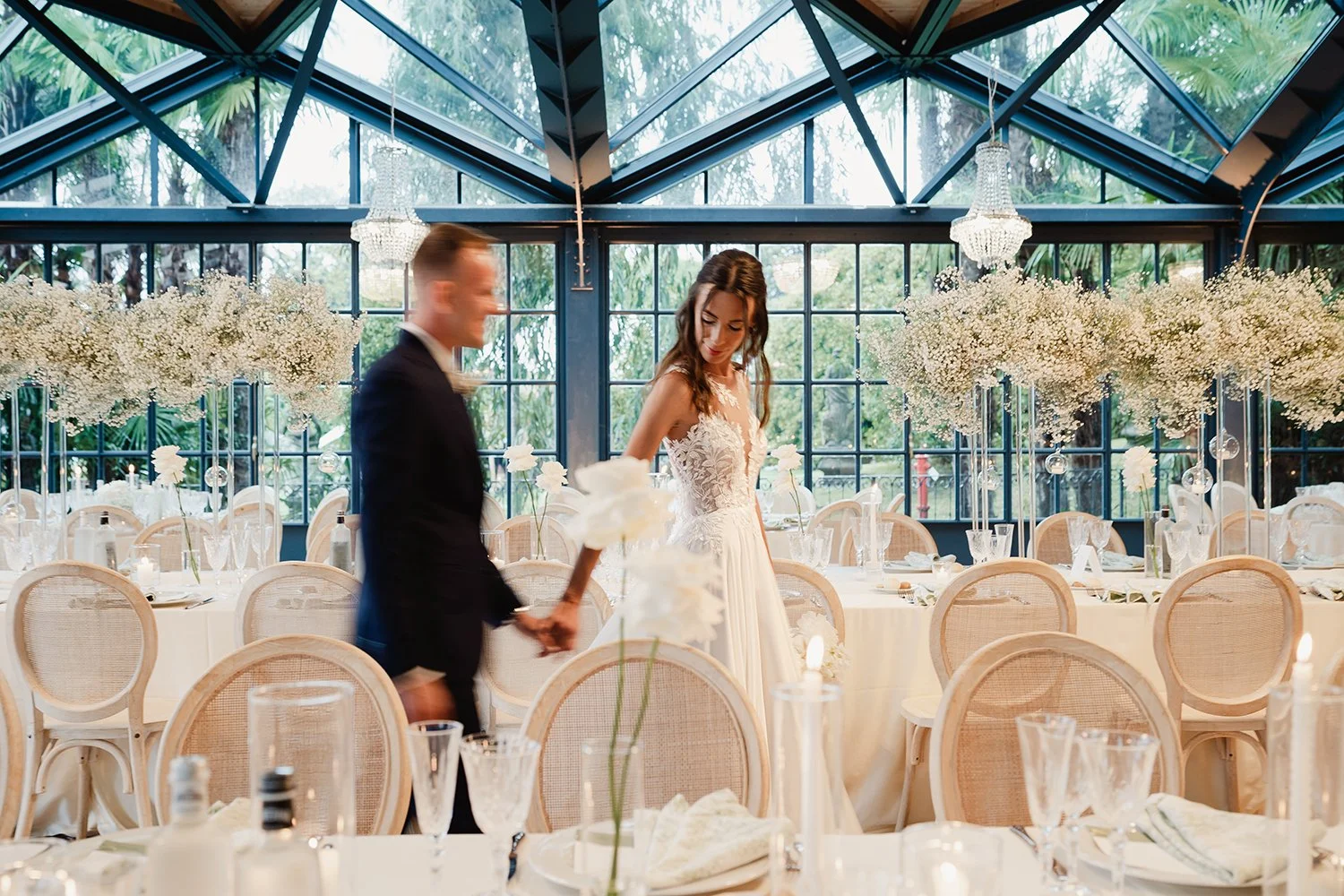
In summer, especially in central and southern Italy, managing the heat is an integral part of planning the day.
Outdoor ceremonies are generally scheduled during the cooler hours: late afternoon, when the light is also at its most beautiful for photographs. If the aperitivo is outside, fans, parasols and shaded areas are arranged. Flowers are chosen in part for their heat resistance. The catering adapts the menu to the season, favouring lighter, fresher dishes.
These are not minor details. They are part of a thoughtful design that puts guest comfort at the centre, even on the warmest days.
When to activate plan B
The decision to move to plan B is one of the most delicate in the final phase of planning.
Waiting too long means less time to adapt the décor and inform suppliers. Deciding too early risks changing everything for a forecast that never materialises.
Our rule is simple: we monitor the weather closely in the ten days before, begin thinking concretely about plan B in the week before, and make the final decision within forty-eight hours of the event, when forecasts are reliable enough to justify an operational change.
The couple is always part of this conversation. But the weight of the decision should not fall on them. It is the team that makes the assessment, presents the options and manages everything that follows.
The weather is the one variable in a wedding that cannot be fully controlled. But it can be planned around, so that whatever happens, the day remains what you imagined it to be.
Are you planning an outdoor wedding in Italy and want to understand how we handle this part of the project?
Tell us your story.